
Caring for Your Installation Art: Maintenance and Preservation
Installation art represents one of contemporary art's most complex challenges for preservation. Unlike a painting on canvas or a sculpture on a pedestal, artworks with relatively stable, singular material compositions, installations are often large-scale, mixed-media environments incorporating diverse materials, technologies, and sometimes interactive or temporal elements. A single installation might combine wood, metal, glass, electronic components, video projections, textiles, and even organic or perishable elements, each with its own aging process and vulnerabilities.
This complexity means that caring for installation art requires a fundamentally different approach than traditional art conservation. Understanding what installation art is, why it's different, and how to maintain it ensures that these immersive, often unique works remain intact and functional for decades. For those managing the transport or relocation of installation art, understanding how to select a professional shipping partner is equally important. See our resource on what sets fine art shipping companies apart for guidance on this process.
What Makes Installation Art Different from Traditional Artworks
The Nature of Installation Art
Installation art is characterized by large-scale, mixed-media constructions often designed for a specific place or a temporary period of time. Rather than being a discrete object, an installation typically comprises multiple components that form one immersive experience. Viewers don't simply look at the artwork, they often walk into or through it, sometimes interacting with it. Examples range from a room filled with video projections and sculptural elements to a collection of found objects arranged in a specific way to light installations transforming a space.
Because of these characteristics, installation art requires different preservation approaches than traditional paintings or sculptures. An installation may include diverse materials, traditional ones like wood, metal, and glass, but also contemporary materials like plastics, electronic devices, video screens, projectors, fabric, and even organic or perishable elements. Each material has its own aging process and vulnerabilities. In a single installation, you might have a monitor that could overheat, a latex element that could deteriorate over time, and a pile of organic matter that might attract pests, all composing one unified work.
As conservators at major museums note, "The care and preservation of modern and contemporary art calls for alternative approaches that differ from those for 'classic' artworks. The challenge lies primarily in the diversity of materials... covering a wide spectrum: plastics of all types, metals, electric devices, digital technology, video, light installations, or perishable materials such as foodstuff and plants. Each component material can age differently, so the varying aging process of the individual components requires specific conservation and restoration care."
Time-Based and Dynamic Works
Another key difference: Installation art is often time-based or dynamic. Some installations are not static objects but rather events unfolding over time or interactive pieces responding to viewers. An installation might involve a looped video projection or an automated mechanism like a fountain or light show. Preserving these works means preserving not just physical components but also functionality and intent.
This creates unique preservation challenges. If an installation includes embedded technology (old CRT monitors, specific projectors, proprietary software), that technology becomes part of the artwork. When it becomes obsolete, decisions must be made: Do you find equivalent modern equipment? Do you keep original hardware running? Do you migrate the artwork to new formats while trying to maintain the original look and feel? There's no universal answer, much depends on the artist's intent and the conceptual nature of the piece.
Preservation as Enabling Re-Creation
Perhaps most importantly, preserving an installation often equates to preserving the ability to recreate the work faithfully in the future, rather than preserving a single physical artifact. As one museum professional explained, "When installation artworks are exhibited, it is as if a book is opened and the viewer can read the artwork. Before it is installed, the artwork does not exist in its intended form." This means preservation often involves maintaining detailed documentation, installation instructions, component lists, artist specifications, so that the work can be accurately recreated later.
Furthermore, installation art is frequently designed for a temporary life. Many pieces were expected to be shown for a limited period, then taken down. Preservation might not have been the artist's primary concern during creation, which puts the onus on owners and conservators after the fact to figure out how to prolong the life or enable re-installation of the piece. Artist intention plays a big role: some artists accept (or even intend) that parts be replaced or remade over time, while others see any change as problematic. Thus, caring for installation art often involves collaboration with the artist or detailed archival documentation of their intent.
Environmental Requirements for Installation Art
The Foundation: Climate Control
Just like traditional art, installation art benefits from controlled environmental conditions. However, because installations can contain varied materials, finding the right environmental balance is crucial. Most installations (especially those containing wood, textile, paper, electronics, etc.) are best kept in the standard museum climate of roughly 18–22°C (65–70°F) temperature and 45–55% relative humidity, with minimal fluctuations.
Fluctuating or extreme conditions cause cumulative damage across all material types:
Low humidity can make organic materials like wood, leather, or canvas brittle and prone to cracking. Excess humidity leads to mold growth, metal corrosion, or warping of wood and fiber components. Rapid temperature swings cause condensation or differential expansion of materials that expand at different rates (imagine an installation with glass and metal parts, heat could make one expand more than the other, stressing the joint between them).
This is why maintaining stable, moderate climate conditions year-round is recommended. Museums typically aim for around 20°C and 50% RH, which is why professional art storage facilities in the Middle East maintain these precise conditions continuously. The strategy is consistency, not perfection, a steady 25°C and 50% RH throughout an exhibition is far better than fluctuating between 18°C and 28°C even if the latter has more days at the theoretical ideal.
Light and UV Exposure
Many installation artworks incorporate lighting as part of the piece, but if they include light-sensitive materials (textiles, paper, photographs), prolonged exposure to strong light can fade or discolor them. An indoor installation with fabric elements might need UV-filtering on windows or controlled gallery lighting to prevent fading. If an installation has video screens or projectors, ambient light control is needed for visibility, but note that those electronics produce heat which needs venting to avoid overheating in a sealed space.
Air Quality and Dust Control
Air quality is sometimes overlooked, dust and pollutants can accumulate on installation components, sometimes causing damage. Dust can be abrasive or attract moisture. In the Middle East, dust is a particularly serious concern; fine sand can scratch surfaces or infiltrate mechanical parts. Thus, air filtration in storage and display spaces is beneficial.
If an installation is on long-term display, periodic gentle cleaning of components (with appropriate techniques for each material) will prevent dust buildup from causing issues.
Seasonal and Regional Challenges
Environmental conditions outside controlled spaces can be extremely harsh. In the Gulf, outside those climate-controlled galleries or storage spaces, conditions are extreme. Therefore, moving an installation from one location to another often requires acclimatization. Best practice is to acclimate components before display, for example, if an installation's wooden panels come out of cool storage into a humid gallery, giving them time (days or weeks) in a transit/storage climate similar to the gallery's can prevent sudden swelling. Likewise, when packing down an installation for transport, ensuring the crate has buffering (foam lining and maybe silica gel) will slow climate changes during transit.
Materials, Vulnerabilities, and Specific Care Needs
Common Installation Materials and Their Challenges
Installation art can be a materials buffet, and each material comes with specific care needs. Understanding vulnerabilities helps you anticipate problems:
Plastics and Polymers: Many contemporary installations include plastics (acrylic sheets, PVC pipes, polyester fabrics, latex, foam, etc.). Plastics can degrade in several ways, they may off-gas and become brittle or sticky as they age. Vinyl can exude plasticizers making it tacky; foam can crumble. Heat accelerates these processes, and UV light causes discoloration or embrittlement. Care involves keeping plastics in stable, cool conditions away from direct light. Some plastics have inherently limited lifespans (polyurethane foam or latex rubber might start disintegrating within 10-20 years regardless). Sometimes the strategy is monitoring and gentle handling, with the understanding that future replacement might be needed if an element fails.
Metals: Installations may use steel, aluminum, copper, brass, etc. Metals primarily risk corrosion (rust, tarnish) especially in humidity or polluted air. Iron/steel will rust with moisture; copper alloys will tarnish. If dissimilar metals are in contact and moisture is present, galvanic corrosion can occur. Care involves controlling humidity to below ~55% to slow corrosion, avoiding direct handling with bare hands (skin oils can etch metals), and if outdoors, periodic maintenance like waxing or protective coatings. Indoors, keep metal surfaces dust-free.
Wood and Organic Materials: These include not just wood, but natural fibers, textiles, paper, leather, and plant matter. Wood expands and contracts with humidity and can crack or warp if it fluctuates too much. It's also food for mold and insects if untreated and in high humidity. Textiles and fibers are vulnerable to light (fading) and pests. Care involves rigid humidity and temperature control to keep these materials dimensionally stable and discourage pests. Use pest management (insect traps in storage/display, freezing treatments for infested items).
Glass and Ceramics: These are often components (mirrors, glass cases, ceramic objects integrated into installations). They are relatively stable but very fragile physically. Thermal shock can also crack them, e.g., a cold glass object exposed to high heat or vice versa. Care involves handling with extreme caution, protecting edges and corners, and controlling temperature changes.
Electronics and Technology: Many installations incorporate tech, monitors, projectors, computers, sensors, lights, motors. These have finite lifespans, and obsolescence is a major issue. A 2000s installation running on a CRT TV faces challenges since those TVs are now difficult to replace. Care involves maintaining a stable power supply and environment, voltage spikes or high heat/humidity kill electronics faster. Use surge protectors and voltage regulators if needed. Keep equipment ventilated. If an installation runs long periods, you may need to periodically rest or swap components. Regular testing is crucial, if in storage, power up equipment occasionally to ensure it still works.
Ephemeral or Perishable Materials: Some artists intentionally use materials that won't last (chocolate, ice, wax that melts, live plants, etc.). Preservation here is tricky, often the artist's concept allows (or encourages) eventual decay and replacement. The strategy is documenting the formula or source of the material so it can be replaced with matching material in the future. Conservators create "artist's instructions" or protocols for renewal, e.g., how to replant an organic installation or how to refabricate a rotted element exactly as originally.
Preventive Maintenance Protocols for Installations
Start with Documentation
Before anything else, create or obtain a maintenance manual for the installation. This document outlines all components, materials, assembly instructions, and maintenance needs. Many museums develop "care guides" for complex works. This becomes your reference for every action going forward.
Regular Inspections and Condition Reporting
Before and after an installation is displayed, conduct a detailed condition check on each component: noting cracks, color changes, loose connections, etc. During long exhibitions, establish a routine check schedule (perhaps weekly). For example, if an installation has a water pump, staff might daily verify it's working, water level is correct, and there's no leakage or mold. Keep logs of these checks, they help track any slow deterioration and inform when larger interventions are needed.
Cleaning and Housekeeping
Cleaning should be done carefully and often with input from conservators. Dusting surfaces with soft brushes or microfiber cloths may be scheduled on a set calendar (perhaps weekly or biweekly). Glass or acrylic panels might need gentle cleaning with appropriate solutions (taking care not to use ammonia glass cleaner on Plexiglas, which causes hazing). For outdoor installations, maintenance includes periodic washing to remove bird droppings or pollution grime, neglecting that can cause permanent surface damage.
Mechanical and Electrical Maintenance
Components require preventive maintenance: lubricating moving parts on a schedule, replacing projector bulbs before they burn out (even if they seem fine, this prevents sudden failure), updating software or firmware on digital components, and checking cables and connections for wear. Professional protocols often have thresholds, if a projector's lamp has a 2000-hour life, at 1800 hours they plan replacement to avoid surprise burnout.
Artist Collaboration and Expert Consultation
Especially for complex installations, some artists provide detailed care instructions. Some even participate in maintenance or restoration decisions. If the artist isn't available, institutions form conservation teams or committees to decide how to handle aging components. When an electronic component goes obsolete, a team might test modern equivalents and decide on the closest substitute. This collaborative approach ensures preservation decisions align with artistic intent.
Emergency Preparedness
Have spare parts ready (spare bulbs, electronic modules, touch-up paint, etc.) so you can respond quickly if something fails during display. Some institutions prepare a "response kit" for each installation, including things like a patch kit, extra hardware, or contingency plans for hazardous situations (e.g., if an installation with water has leak protocols ready).
Staff Training
Anyone interacting with the piece should be aware of its do's and don'ts. Security guards need to know not to touch or move components if something shifts, but to call the art handling team. Docents should know the piece's fragile elements. Training ensures everyone participates in preservation.
Documentation of All Actions
Every maintenance action, replacing a light, cleaning a surface, testing interactive features, should be logged. Over years, this log becomes invaluable to see how the piece is aging and what recurring issues exist. It informs when larger conservation treatments are needed.
Storage Considerations for Installation Art
Disassembly, Organization, and Inventory
Most installations, when not on view, will be disassembled into components. It's crucial to have a clear map of all parts, every piece, down to hardware like screws, should be labeled and cataloged so nothing is lost. Custom crates or boxes are often made for each part. Photographs and diagrams showing how things are assembled should be kept with stored components to guide future re-installation. The artist's installation manual is as important as the objects themselves and should be archived carefully with digital backups.
Climate-Controlled Storage Facilities
Installation art should be stored in climate conditions appropriate for its materials (typically the museum standard of 18–20°C, 45–50% RH). Specialized facilities maintain these conditions continuously. In the Middle East, storage areas must be insulated and have backup power for HVAC, a power loss in summer could be disastrous for stored art.
Space, Handling, and Accessibility
Installations can include oversized elements, large panels, room-sized constructions. Storage must accommodate these dimensions, perhaps with pallet racking or dedicated floor space. Heavy pieces might need mechanical handling equipment (forklifts, gantries), meaning you need pathways and floor load capacity. Store objects in ways that minimize needing to move them. If a piece can remain crated and on a pallet, that's often safest; frequent unpacking/repacking risks damage.
Security and Access Control
Installation art can contain pieces that are valuable or easily misplaced. Storage should be secure with limited authorized access. All crates and boxes should be clearly labeled with the artwork's name and unique ID. Maintain records of any time something is removed. An inventory checklist every time something moves in or out of storage is crucial.
Archival Materials and Preventive Measures
Using archival packing materials is important, acid-free tissue, inert foam (like Ethafoam, not yellowing polyurethane), etc. If a piece has components that off-gas, some conservators include vapor capture materials (like activated charcoal cloth) in the crate to absorb acids or pollutants.
The Storage as Memory
Interestingly, storage is an active part of preserving installation art's "memory." When the work isn't assembled, the way it's stored and documented is what keeps the knowledge of the piece alive. There's the concept of the "score" or "DNA" of the installation, the combination of stored parts plus documentation that allows it to be reconstructed correctly in the future. This might include not just physical components but calibration settings, exact model numbers of equipment, spatial arrangement measurements, and more.
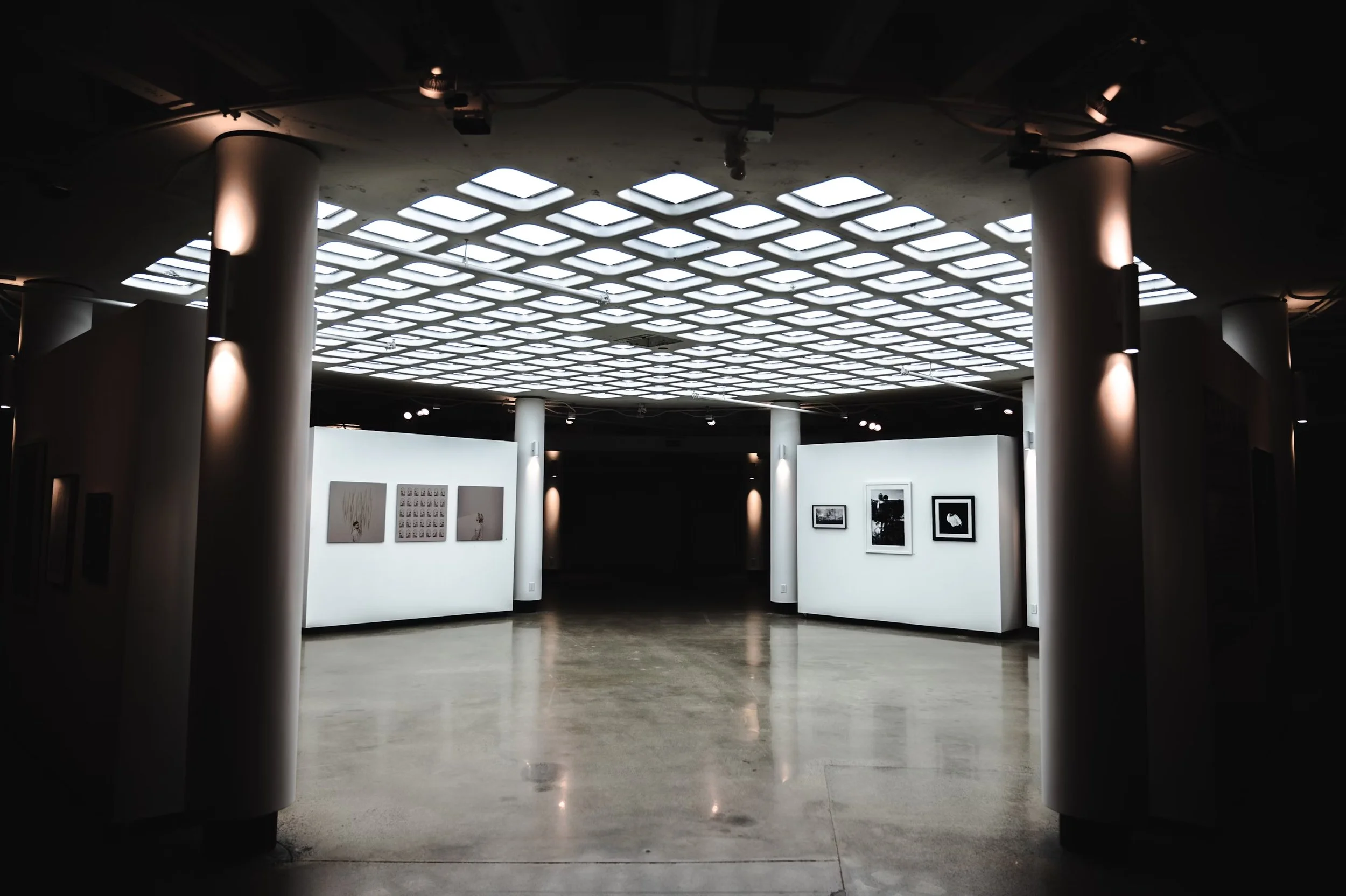
Installation vs. Preservation: How Proper Setup Ensures Longevity
Physical Stresses and Proper Support
How an installation is initially installed greatly influences its long-term preservation. Professional art handlers ensure that each component is supported correctly. If a heavy element is meant to hang, they use appropriate hardware rated for the weight. If a projector is mounted, they secure it firmly. Improper installation could lead to pieces crashing down or misaligning over time. Even less dramatic errors, over-tightening screws on plastic or using the wrong hooks on fabric, can cause damage.
Following Artist Specifications
Many installation artists provide detailed instructions on how to set up the piece. Following these isn't just about respecting artistic intent, it often has preservation implications. An artist might specify that an electrical component be plugged into a certain transformer; using a different power supply could risk equipment failure. Or they might detail an assembly sequence; doing it out of order might put undue stress on a joint.
Environmental Integration
When you place an installation, you control how it interfaces with the environment. Ensuring spotlights aren't too hot or too close prevents heat damage. Making sure a piece isn't in the path of an AC vent (which could blow moist air or cause rapid temp changes) protects it. Avoiding placement directly under sprinkler heads prevents accidental soaking. These considerations affect longevity.
Stability and Security
A properly installed work is stable, not wobbly or prone to small movements that could lead to wear over time. Even minor swaying can loosen joints or connections. If pieces could topple, they're secured (maybe with hidden brackets or weights). Professional installers might use museum wax or transparent support rods to keep things still.
Maintenance Access
Good installation also considers future maintenance. Installers design layouts so conservators can reach components for dusting or servicing without taking everything apart. If light bulbs need changing, it's possible to get to them. Placement facilitates care rather than hindering it.
Wear and Tear Management
If the installation allows audience interaction, proper installation includes controls to minimize damage. Protective barriers or floor markings might keep people from stepping too close. Durable hardware is used in interactive elements to withstand repeated use. Professional art lighting solutions also consider how illumination affects both visibility and material preservation.
Documentation of Installation
Photographs of the piece when fully installed, diagrams of wiring, and notes on any deviations or fixes done during install become references for next time. This ensures each re-installation is consistent and that past solutions are remembered.
In short, proper installation is preventative conservation. Professional art installation expertise ensures that when a work is installed correctly and thoughtfully, it is under the best conditions to remain stable. Improper installation introduces stresses that degrade the work over time.
Indoor vs. Outdoor Installations: Different Preservation Challenges
Indoor Installations
Indoor installations are in controlled environments, but variables still exist. Contemporary art galleries likely have good HVAC, but installations in historic buildings or non-art venues might face fluctuating conditions. Large-scale installations in lobbies or atriums might have uneven climate (drafts near doors, heat under skylights). One must adapt, maybe adding UV films to skylights or ensuring the installation is away from direct AC drafts.
Indoor venues with heavy foot traffic might experience vibration from crowds that, over months, could shift delicate components. Museum best practices sometimes include building a platform or false floor that dampens vibrations. Another concern: if sprinklers are overhead, ensuring sensitive electronics have waterproof casings or having contingency covers ready is prudent.
Outdoor Installations
Outdoor works endure rain, sun, wind, and temperature extremes. Sunlight (UV) causes fading or material breakdown. Rain and humidity cause rust on metals and can saturate porous materials. In cold climates, freeze-thaw cycles crack stone. In hot deserts, extreme heat can warp or delaminate materials.
For metal sculptures, applying protective wax or paint coatings is standard (but these wear and need renewal). For painted outdoor sculptures, repainting is expected every few years because UV inevitably degrades paint. In the Gulf, maintenance might be more frequent due to harsh sun, perhaps every 2-3 years for a new coat as opposed to 5-10 in milder climates.
Outdoor pieces must be engineered to withstand wind loads and potential earthquakes. Preservation includes checking stability periodically, are bolts tightening? Did the foundation shift?
Biological factors like moss, lichen, or bird droppings are concerns. Regular cleaning is needed. Pests might nest inside hollow sculptures. Seasonal changes stress materials through multiple freeze-thaw or heat-cold cycles.
A strategy might be modularity, sensitive components could be taken indoors during the worst season. In the Gulf, maybe sensitive works are displayed in cooler months and stored in summer.
Maintenance protocols outdoors usually involve municipality teams working with conservators. Regular washing, annual deep cleaning and restoration, and periodic major interventions (like repainting, which can be very expensive) are standard.
The Role of Professional Art Handlers in Protecting Installation Art
Installing and caring for complex artworks is not a solo job. Professional art handlers and installation experts play a vital role in maintaining installation art integrity. These individuals are trained in handling delicate objects, rigging and assembling installations, and following conservation guidelines during every move.
When an installation arrives, professional handlers unpack and assemble it according to instructions, ensuring each piece is placed correctly without forcing or improvising. They use the right tools, suction cups for glass panes, padded dollies for moving heavy parts. They maintain a clean, controlled work area.
Handlers also collaborate with conservators. If any issues arise during installation, a conservator might advise on securing a loose joint without damage. The handlers implement those recommendations using conservation-approved materials. They are effectively the hands executing preservation-minded decisions.
During display, handlers or preparators may perform maintenance tasks (changing light bulbs, dusting safe surfaces). They usually know the piece intimately after installing it, so they can tell if something looks off. Consistency is helpful, assigning the same team to deinstall that installed the work preserves that institutional knowledge.
When taking the installation down, professional art handling and transport specialists carefully disassemble and pack it using condition reports to note any changes. They'll add more padding if something jostled during installation, improving the packing for future transport and storage.
Professional handlers are guardians of installation art's physical integrity. For collectors or institutions, engaging such professionals is an investment in the artwork's longevity. They act as technicians, conservators, and problem-solvers, ensuring the artwork's safety through all phases, from installation through exhibition to storage and transport. With professionals managing the technical execution and quality oversight, you can focus on the artwork's conceptual and curatorial aspects while its physical integrity is assured.
Practical Preservation Tips for Collectors and Institutions
Here are actionable steps to care for installation art:
Thorough Documentation: Maintain an "artwork dossier" including artist's installation instructions, inventory of parts, photos of the installed work, and notes on past repairs. Update it whenever something changes.
Routine Condition Checks: Set a schedule for checking the piece. For active displays, daily visual scans by staff are helpful. For works in storage, conservation checks at least annually.
Environmental Monitoring: Use dataloggers or hygrometers near the artwork to record actual conditions. This catches HVAC issues early. In volatile climates, consider redundant climate systems.
Insurance and Appraisal: Ensure proper insurance covering "partial loss" so if one part is damaged, replacement costs are covered. Keep the appraiser updated on any changes.
Staff Training: Train everyone interacting with the installation about do's and don'ts. Educate household staff or maintenance crews about proper care.
Artist Consultation: If the artist or studio is accessible, reach out with questions. Artists often provide guidance on handling, replacement parts, or approved modifications.
Plan for Obsolescence: For tech-based components, keep backups of digital files in multiple formats. Plan ahead for when monitors or projectors become obsolete, identify equivalent modern models and test them for suitability.
Budget for Maintenance: Set aside funds from the acquisition cost into a maintenance fund. Budget for cleaning, part replacement, and possible conservation treatments as you would for any significant home or business asset.
Avoid Common Misconceptions: Don't wait until something breaks to fix it, preventative care is better. And understand that replacing certain parts might be acceptable or even intended, especially with installation art where preserving the experience or concept might matter more than every original component.
Emergency Preparedness: Have a plan for unexpected events (power outages, floods, accidental damage). Know who to call and how to safely stabilize situations.
Utilize Professional Help: Don't hesitate to engage conservators for assessments or professional art riggers for moves. Even a consultation can reveal simple improvements to how you care for the piece.
The Key to the Preservation of Installation Art
Installation art represents contemporary creativity at its most ambitious, immersive, complex, and often one-of-a-kind. Caring for it requires understanding the unique properties of these works and committing to systematic, informed maintenance. By combining good environmental control, material-specific care, professional expertise, and detailed documentation, both collectors and institutions can greatly extend the life of installation artworks and ensure that these complex creations continue to be experienced and appreciated as originally intended.
The most successful preservation of installation art balances technical expertise with creative understanding, recognizing that these aren't just objects to be protected, but living artworks that, with proper care, will engage and inspire audiences for generations to come.
Written by Rom Levy
Pest Management: Prevention is Everything
In the UAE's warm climate, insects remain active year-round. Silverfish, carpet beetles, and other pests that consume organic materials pose constant threats to paper, textiles, wood, and natural adhesives in artwork.
Integrated Pest Management Principles
Professional pest control for art collections emphasizes prevention over treatment. Integrated Pest Management (IPM) uses multiple strategies that minimize pesticide use while effectively controlling infestations.
Exclusion comes first: seal entry points where pests access storage areas, screen windows and vents, weather-strip doors and windows, and inspect incoming items before they enter storage.
Monitoring reveals pest presence early, before populations explode and cause damage. Sticky traps placed strategically throughout storage areas catch insects, and regular inspection (weekly or bi-weekly) identifies pest types and activity levels.
Environmental control discourages pests. Maintaining below-22°C temperatures and below-65% humidity creates conditions less favorable for insect reproduction. Clean, dust-free environments provide fewer food sources and hiding places.
What to Watch For
Different pests leave characteristic signs. Silverfish damage includes irregular feeding marks on paper with surface layers scraped away. Carpet beetles leave small holes in textiles and leave shed larval skins (like tiny brown shells). Termites create mud tubes on surfaces and leave frass (sawdust-like droppings) near wood.
Regular inspection catches problems early. Each time you access storage, briefly survey for signs of pest activity. If you notice issues, address them immediately. Pest populations grow exponentially once established.
Treatment Options
When infestations occur, least-toxic interventions are preferred. Freezing effectively kills insects in small objects like books or works on paper. 72 hours at -20°C eliminates all life stages without chemical exposure.
Anoxic treatments use nitrogen or argon to create oxygen-free environments that kill pests. Specialized companies offer this service for textiles and furniture where freezing isn't practical.
Only as a last resort should traditional pesticides be used, and then only by professional conservators or pest control specialists experienced with fine art. Many pesticides damage artwork or leave residues that cause long-term harm.
For comprehensive pest management guidance specific to art collections, professional storage facilities include IPM as part of their service. Our facilities maintain ongoing monitoring and prevention protocols that protect stored works from pest damage.
Access and Retrieval: Planned and Careful
Eventually, artwork emerges from storage for display, sale, loan, or conservation. Retrieval requires the same care as initial storage placement.
Acclimatization: Temperature Transitions
Never move artwork directly between environments with significant temperature or humidity differences. Rapid changes cause condensation (moisture forming on cold surfaces when exposed to warm air) and thermal shock (stress from rapid dimensional changes).
When retrieving artwork from climate-controlled storage to a different environment, allow gradual acclimatization. Leave the piece wrapped for several hours in the destination environment, allowing it to slowly equilibrate to the new conditions. This prevents condensation from forming on the artwork itself. It forms on the wrapping instead.
The greater the climate differential, the longer the acclimatization period needed. Moving from 20°C storage to a 24°C exhibition space requires minimal adjustment. Moving from air-conditioned storage to outdoor loading in 40°C heat requires extended transitional period, ideally with intermediate steps.
Inspection Protocol
Each retrieval is an opportunity to assess condition. Compare the artwork's current state to your baseline documentation. Look for any changes: new scratches or dings, paint flaking or cracking, mold spots or discoloration, pest damage, frame loosening or separation.
If you discover new damage, document it immediately with dated photographs and notes. For significant issues, consult a conservator before proceeding. Sometimes damage requires stabilization before further handling.
Minor dust accumulation is normal and can be gently removed with a soft brush or microfiber cloth. However, never attempt to clean surfaces beyond surface dust. Even seemingly simple cleaning can cause damage when done improperly.
Transportation After Storage
If artwork travels after retrieval from storage, protect it as carefully as during initial storage. For local moves, our art transport services ensure pieces travel in climate-controlled vehicles with proper padding and securing.
Never transport valuable artwork in open pickup trucks or regular passenger vehicles without climate control and padding. Summer heat in closed vehicles can exceed 60°C, and road vibration transmitted through inadequate cushioning causes cumulative damage.
Secure artwork so it cannot shift during transport. Vertical orientation with padding prevents sliding. For international shipping, professional packing and crating protects pieces throughout their journey.
Record Keeping: Systematic and Thorough
Documentation extends beyond initial condition reports. Comprehensive records track your collection's history, location, condition changes, and movements over time.
Inventory Management
Maintain a complete inventory listing every piece in your collection. Include artist name and dates, title and date of the work, medium and dimensions, provenance and acquisition information, current location (storage, display, loan), insurance value and appraisal date, and any restoration history.
Digital inventory systems range from simple spreadsheets to specialized collection management software. Choose a system you'll actually use consistently. Sophisticated software is worthless if you don't maintain it.
Photograph each work and link images to inventory records. This visual reference helps identify pieces and provides documentation for insurance and sales.
Movement Tracking
Record every time artwork changes location. Note the date, origin and destination, reason for movement, condition at time of movement, and who handled or transported it.
This tracking proves invaluable for insurance claims, authenticity verification, and understanding condition changes. If damage occurs, movement records help establish when and where it happened.
Maintenance Logs
For collections in storage, maintain inspection logs noting dates, who conducted inspection, any condition changes observed, and environmental readings (temperature, humidity).
Regular documentation creates historical data that reveals trends. You might notice gradual temperature drift in storage, seasonal humidity patterns, or developing conservation needs requiring attention.
Professional vs. Home Storage: Making the Decision
Not every collection requires professional storage, but certain situations strongly favor it.
When Professional Storage Makes Sense
High-value collections where total insurance value exceeds typical homeowner's policy limits benefit from professional facilities with comprehensive security and insurance. Long-term storage where artwork won't be accessed frequently is more cost-effective in professional facilities than dedicating residential space. Climate-sensitive works requiring precise environmental control beyond residential HVAC capabilities need professional management.
Collections requiring specific conditions like cold storage for photographs, specialized storage for oversized works too large for residential spaces, and comprehensive security for high-theft-risk valuable works all benefit from professional storage.
Professional facilities offer advantages beyond basic climate control: redundant HVAC systems with 24/7 monitoring, advanced security including alarms and surveillance, trained staff experienced in art handling, and flexible access that accommodates scheduling needs.
When Home Storage Works
Actively displayed collections where artwork regularly rotates between storage and display can function well with enhanced home storage. Collections within comfortable climate parameters maintained in residential spaces may not require professional facilities.
Collectors who enjoy frequent access to their collections and prefer pieces nearby rather than in remote storage facilities may choose home storage. Small collections with modest insurance values and pieces that aren't particularly climate-sensitive can be adequately protected in properly managed residential storage.
However, home storage requires commitment to maintaining appropriate conditions, implementing security measures, regular monitoring and inspection, and proper handling protocols whenever accessing pieces.
For collectors in the UAE, the region's extreme climate tilts the balance toward professional storage more strongly than in temperate climates. The engineering and vigilance required to maintain museum-quality conditions in residential settings represents significant investment that often exceeds professional storage costs.
Art Storage as Active Preservation
Proper art storage isn't passive warehousing. It's active preservation that requires knowledge, investment, and ongoing attention. Every decision about materials, environment, and handling impacts whether your collection survives intact for future generations or slowly deteriorates from neglect.
For private collectors in Dubai, Abu Dhabi, and across the Middle East, the region's environmental challenges make storage considerations even more critical. The same climate extremes that make this region dynamic and fascinating create conditions where art preservation demands sophisticated approaches and unwavering commitment.
Whether you choose professional storage or enhanced home solutions, the principles remain constant: document thoroughly before storage, protect with appropriate materials, maintain stable climate conditions, prevent pest access, handle with care during all movements, and monitor regularly for any changes.
Your art collection represents financial investment, aesthetic pleasure, and cultural stewardship. Proper storage protects all three, ensuring that the works you've carefully acquired remain pristine, valuable, and beautiful whether stored for months or decades.
Dubai Fine Arts understands that each collection is unique. Our team works with private collectors throughout the UAE to develop storage solutions tailored to specific needs, from comprehensive professional storage to consultation on enhanced home storage systems. We bring decades of experience with Middle Eastern conditions and international conservation standards to protect what matters most to you.
Ensure your installation art receives the specialized care it requires.
Contact Dubai Fine Arts to discuss maintenance, transport, and preservation solutions for your complex artworks. Our team understands the unique challenges of multi-component and time-based pieces.
Call +971 58 534 9216 or email info@dubaifinearts.com to get expert guidance.